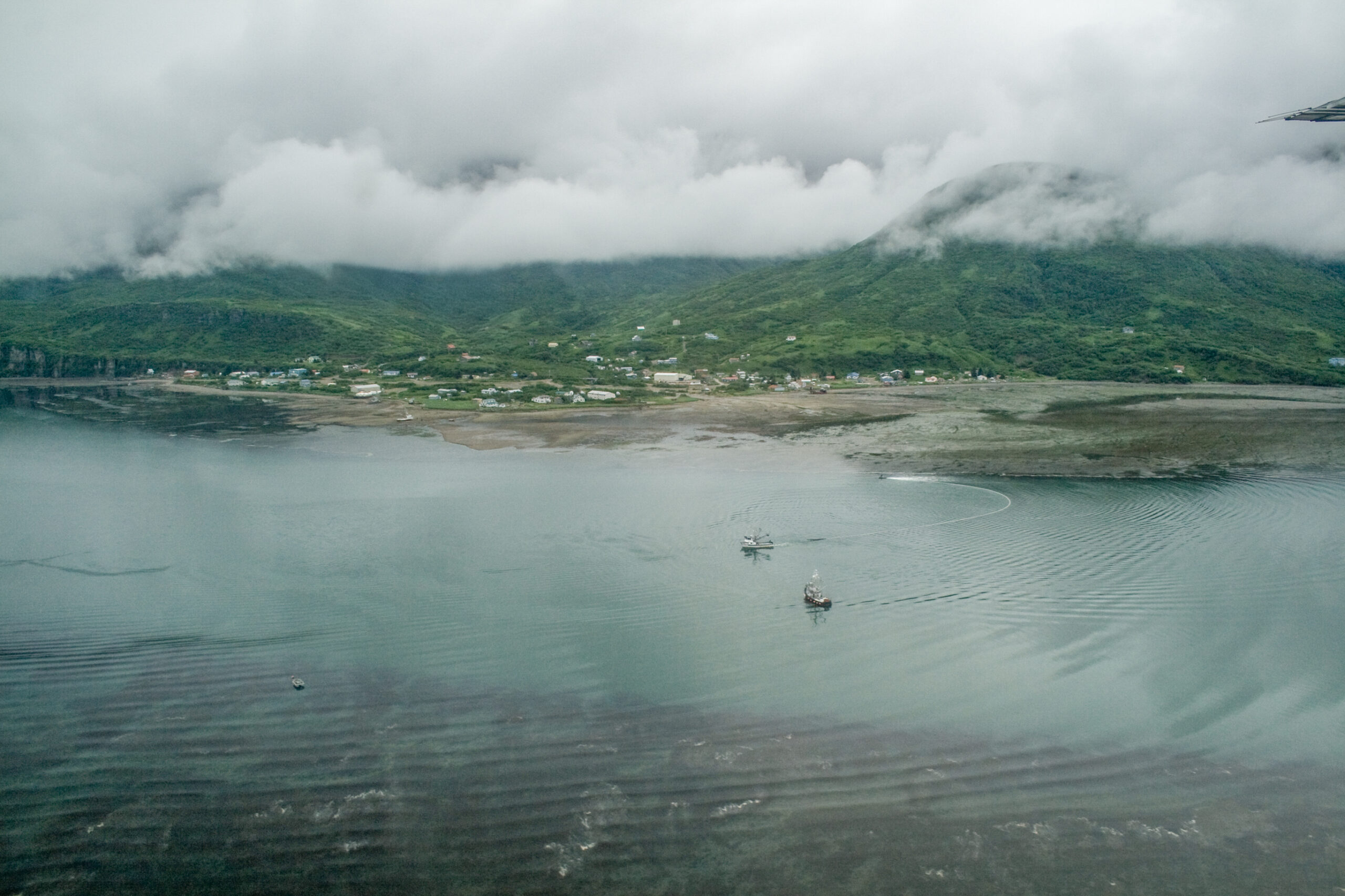
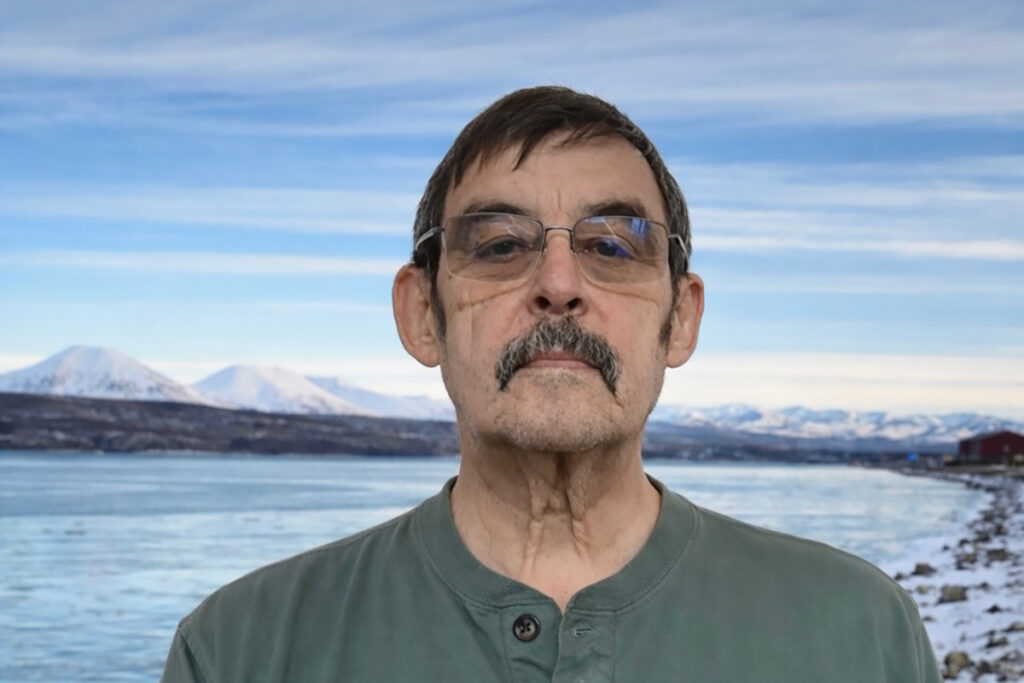
My name is Alvin Pedersen. I am a retired commercial fisher, elder, and lifelong resident of Chignik Lagoon on the Alaska Peninsula. I live right on the beach and have watched salmon return to this watershed for most of my 68 years.
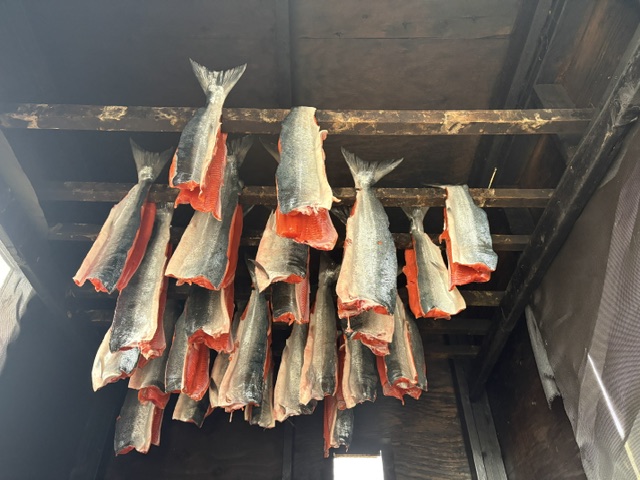
For generations our families depended on the early-run sockeye from Black Lake and the Chinook that once came back in numbers we could count on. We fished for food, for culture, and to pass knowledge from elders to the next generation. This past season marked something I never expected to see in my lifetime: subsistence users in Chignik Lagoon were completely prohibited from harvesting king salmon for the entire season. Sockeye have also been designated a stock of concern in recent years. Even when passage through the weir was described as the best in at least a decade, many of us still carry the weight of the weaker years that came before. The longer historical baseline we remember was stronger than what we are seeing now.
When weak Chinook and sockeye stocks travel mixed with stronger runs in ocean fisheries, too many of our fish are intercepted far from home. Local people who live on the river and lagoon pay the highest price. Food security is lost. Cultural practices are interrupted. The knowledge elders try to pass on is broken when the fish simply do not return in numbers that allow a harvest.
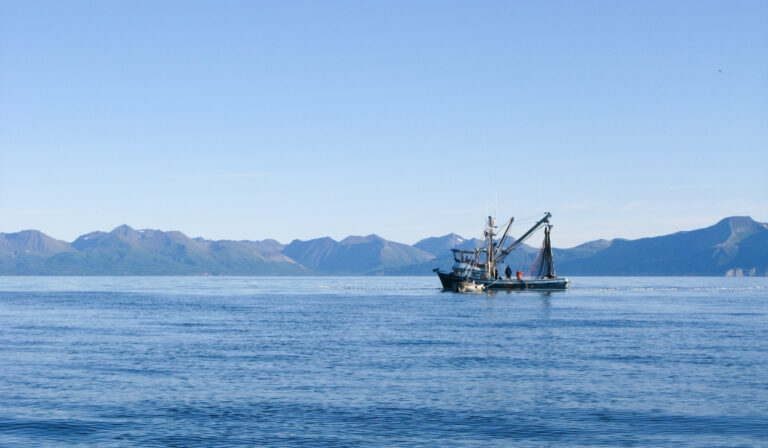
I believe we need to transition to terminal fisheries for all user groups. Harvest should occur closer to home waters where managers and communities can protect specific stocks and ensure enough fish escape to spawn. Ocean interception makes true conservation nearly impossible because weak and strong runs swim together. Moving fisheries to terminal areas would give every user group—subsistence, commercial, and sport—a fairer, more sustainable system and allow more salmon to complete their journey home.
We also need management driven by science and local knowledge rather than politics. Decisions about these fish should prioritize the long-term health of the runs and the communities that depend on them.
Over the years, I have worked on the water supporting scientific studies of the Chignik. In 1992, I was chartered to help University of Washington researchers, including Gregory Ruggerone, investigate salmon populations, hydrology, and limnology in the Chignik Lakes. Later I was hired to assist with the USGS study examining how volcanic ash and eelgrass beds have caused significant seafloor shallowing in Chignik Lagoon and nearby bays since the 1920s. That work showed our lagoon being reduced to narrower channels and raised concerns about the loss of shallow nursery habitat that young salmon need. Living here and working with the scientists has given me a clear view of both the fish and the changing habitat.
I have seen what true abundance looked like in this system. Current returns are not what they once were. The inability to harvest even a single king for subsistence is a clear warning signal. Without stronger protections that let more fish come home, future generations may know Chignik king salmon only as a memory.
It is time to Let Our Salmon Come Home to the rivers, lagoons, and communities that have always depended on them.